
Harayana, India
CNN
—
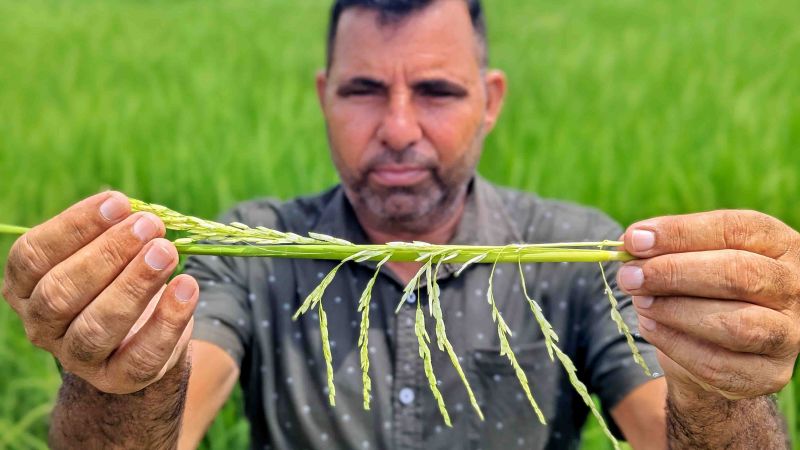
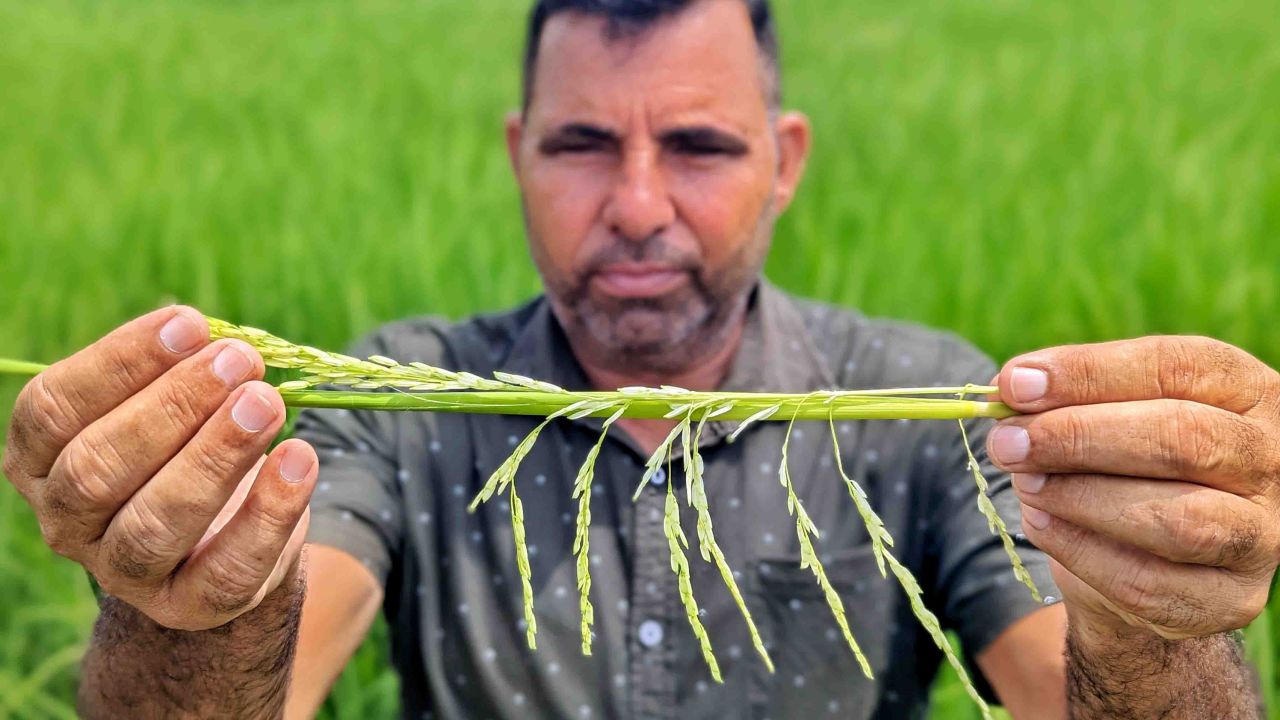
Satish Kumar sits in front of his submerged rice paddy in India’s Haryana state, looking despairingly at his ruined crops.
“I’ve suffered a tremendous loss,” said the third generation farmer, who relies solely on growing the grain to feed his young family. “I will not be able to grow anything until November.”
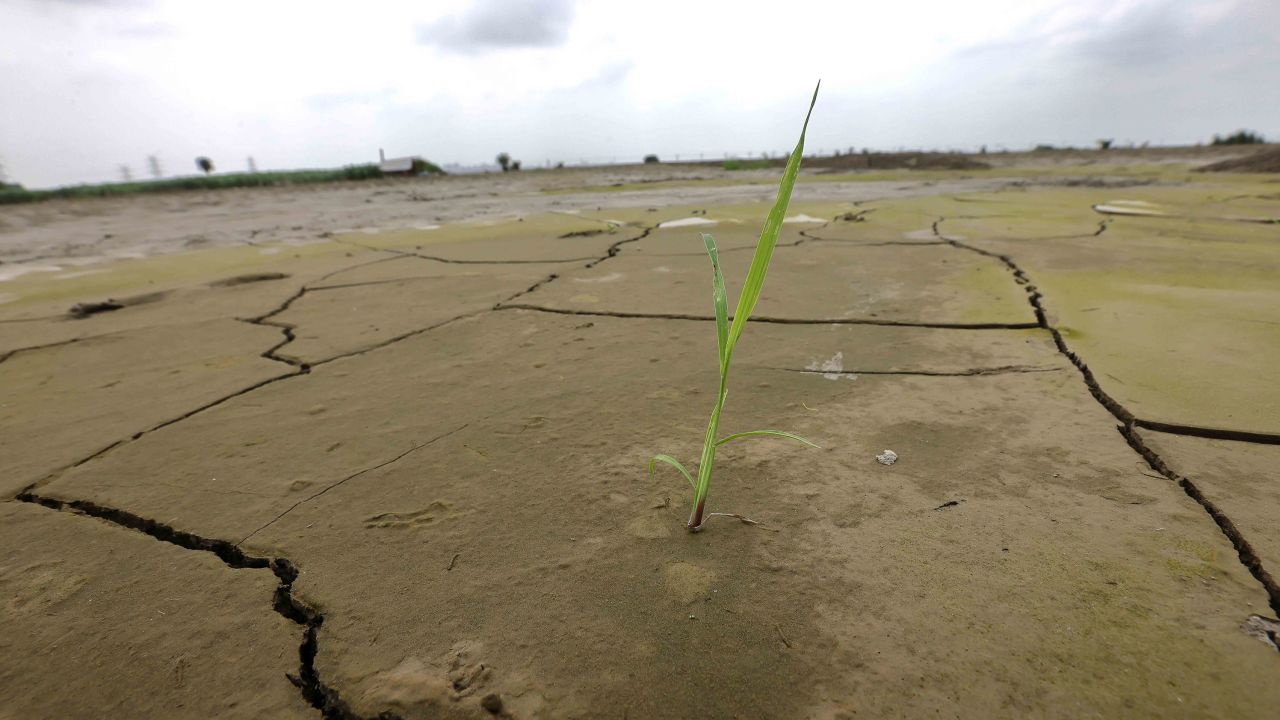
The newly planted saplings have been underwater since July after torrential rain battered northern India, with landslides and flash floods sweeping through the region.
Kumar said he has not seen floods of this scale in years and has been forced to take loans to replant his fields all over again. But that isn’t the only problem he’s facing.
Last month, India, which is the world’s largest exporter of rice, announced a ban on exporting non-basmati white rice in a bid to calm rising prices at home and ensure food security. India then followed with more restrictions on its rice exports, including a 20% duty on exports of parboiled rice.
The move has triggered fears of global food inflation, hurt the livelihoods of some farmers and prompted several rice-dependent countries to seek urgent exemptions from the ban.
More than three billion people worldwide rely on rice as a staple food and India contributed to about 40% of global rice exports.
Economists say the ban is just the latest move to disrupt global food supplies, which has suffered from Russia’s invasion of Ukraine as well as weather events such as El Niño.
They warn the Indian government’s decision could have significant market reverberations with the poor in Global South nations in particular bearing the brunt.
And farmers like Kumar say market price rises caused by poor harvests doesn’t result in a windfall for them either.
“The ban is going to have an adverse effect on all of us. We won’t get a higher rate if rice isn’t exported,” Kumar said. “The floods were a death blow to us farmers. This ban will finish us.”
The abrupt announcement of the export ban triggered panic buying in the United States, following which the price of rice soared to a near 12-year high, according to the United Nations Food and Agriculture Organization.
It does not apply to basmati rice, which is India’s best-known and highest quality variety. Non-basmati white rice however, accounts for about 25% of exports.
India wasn’t the first country to ban food exports to ensure enough supply for domestic consumption. But its move, coming just one week after Russia pulled out of the Black Sea grain deal — a crucial pact that allowed the export of grain from Ukraine — contributed to global concerns about the availability of grain staples and whether millions would go hungry.
“The main thing here is that it is not just one thing,” Arif Husain, chief economist at the United Nations World Food Programme (WFP) told CNN. “[Rice, wheat and corn crops] make up bulk of the food which poor people around the world consume.”
Nepal has seen rice prices surge since India announced the ban, according to local media reports, and rice prices in Vietnam are the highest they have been in more than a decade, according to customs data.
Thailand, the world’s second largest rice exporter after India, has also seen domestic rice prices jump significantly in recent weeks, according to data from the Thai Rice Exporters Association.
Countries including Singapore, Indonesia and the Philippines, have appealed to New Delhi to resume rice exports to their nations, according to local Indian media reports. CNN has reached out to India’s Ministry of Agriculture but has not received a response.
The International Monetary Fund (IMF) has encouraged India to remove the restrictions, with the organization’s chief economist, Pierre-Olivier Gourinchas, telling reporters last month that it was “likely to exacerbate” the uncertainty of food inflation.
“We would encourage the removal of these types of export restrictions because they can be harmful globally,” he said.
Now, there are fears that the ban has the world market bracing for similar actions by rival suppliers, economists warn.
“The export ban is happening at a time when countries are struggling with high debt, food inflation, and declining depreciating currencies,” Husain from the WFP said. “It’s troubling for everyone.”
Indian farmers account for nearly half of the country’s workforce, according to government data, with rice paddy mainly cultivated in central, southern, and some northern states.
Summer crop planting typically starts in June, when monsoon rains are expected to begin, as irrigation is crucial to grow a healthy yield. The summer season accounts for more than 80% of India’s total rice output, according to Reuters.
This year, however, the late monsoon arrival led to a large water deficit up until mid-June. And when the rains finally arrived, it drenched swathes of the country, unleashing floods that caused significant damage to crops.
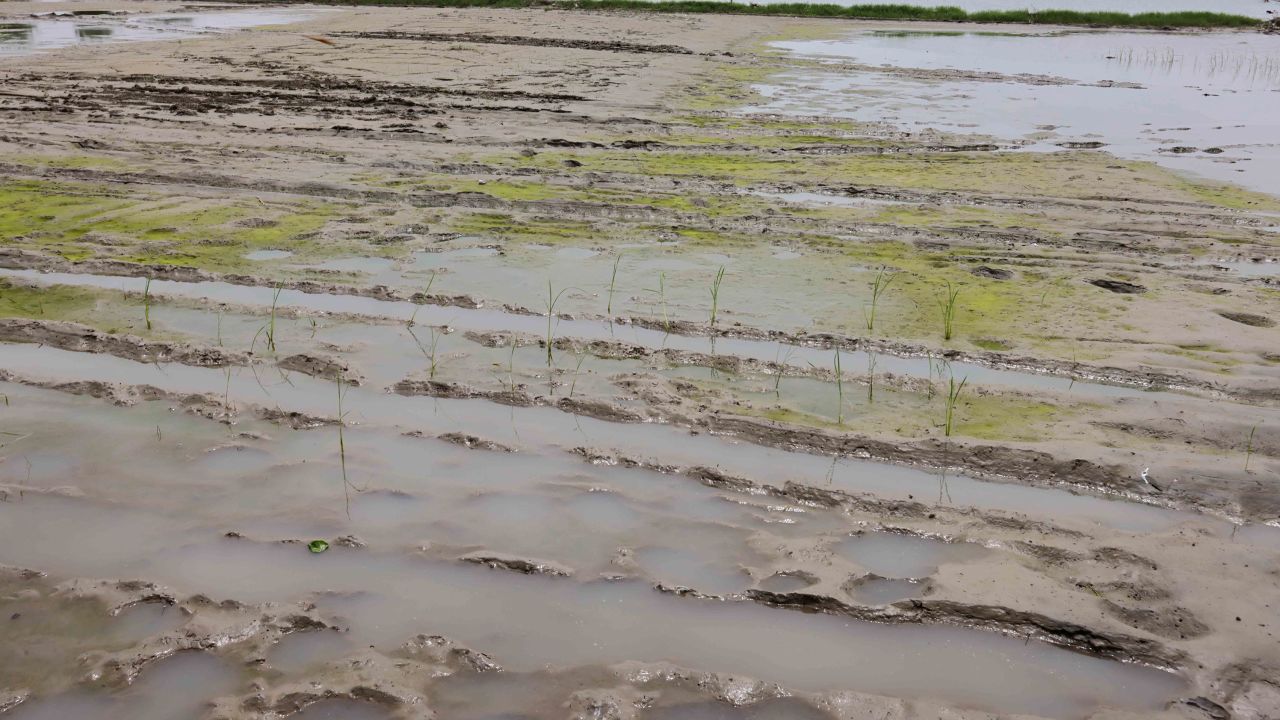
Surjit Singh, 53, a third generation farmer from Harayana said they “lost everything” after the rains.
“My rice crops have been ruined,” he said. “The water submerged about 8-10 inches of my crops. What I planted (in early June) is gone… I will see a loss of about 30%.”
The World Meteorological Organization last month warned that governments must prepare for more extreme weather events and record temperatures, as it declared the onset of the warming phenomenon El Niño.
El Niño is a natural climate pattern in the tropical Pacific Ocean that brings warmer-than-average sea-surface temperatures and has a major influence on weather across the globe, affecting billions of people.
The impact has been felt by thousands of farmers in India, some of whom say they will now grow crops other than rice. And it doesn’t just stop there.
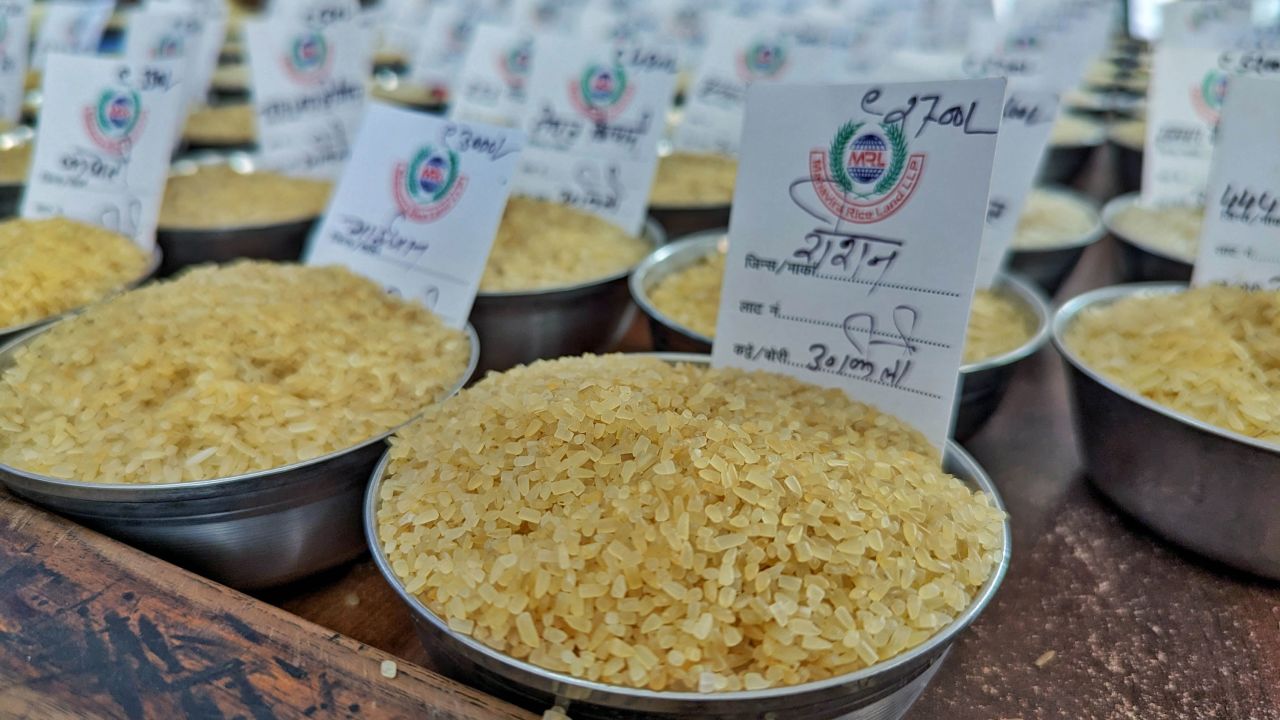
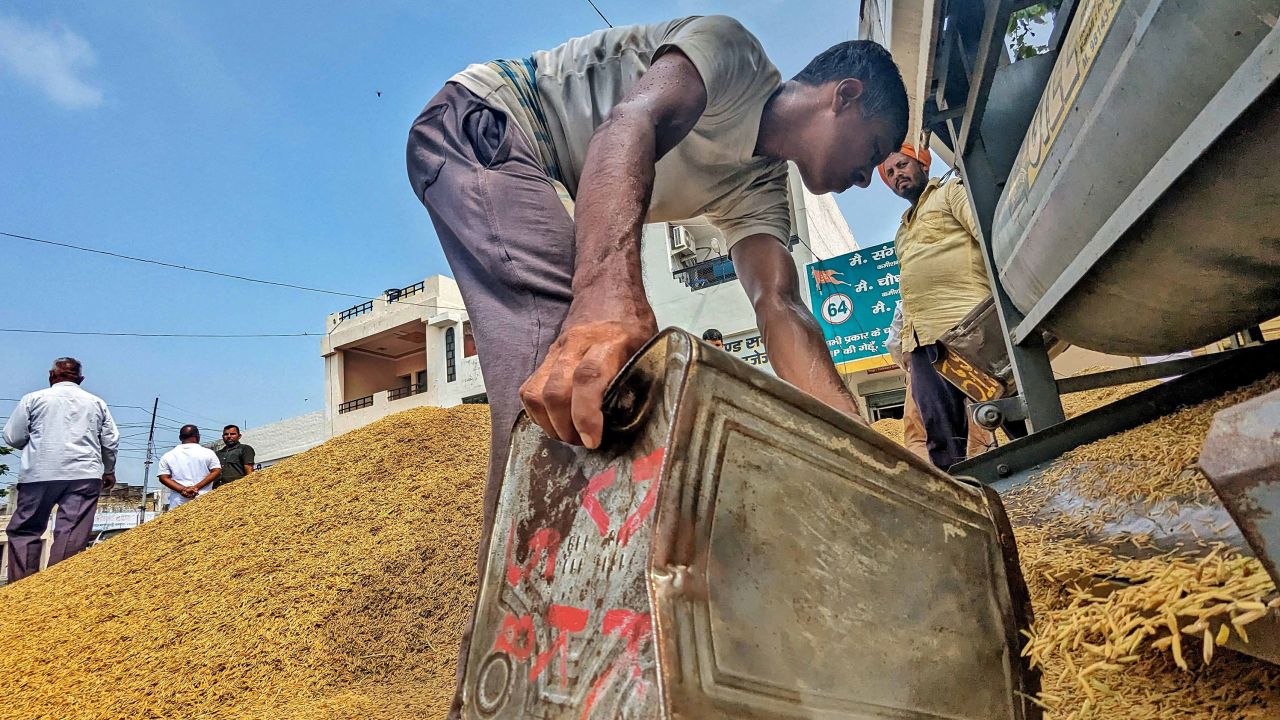
At one of New Delhi’s largest rice trading hubs, there are fears among traders that the export ban will cause catastrophic consequences.
“The export ban has left traders with huge amounts of stock,” said rice trader Roopkaran Singh. “We now have to find new buyers in the domestic market.”
But experts warn the effects will be felt far beyond India’s borders.
“Poor countries, food importing countries, countries in West Africa, they are at the highest risk,” said Husain from the WFP. “The ban is coming on the back of war and a global pandemic… We need to be extra careful when it comes to our staples, so that we don’t end up unnecessarily rising prices. Because those increases are not without consequences.”

