
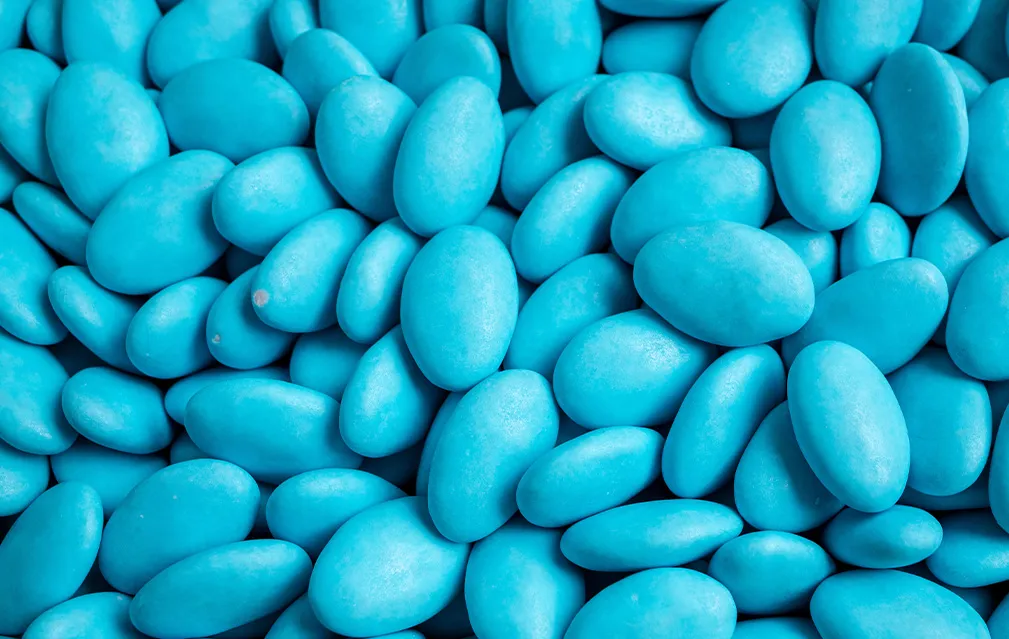
Food companies nowadays are changing wing techniques while scrutinizing labels extra carefully during the course of daily shopping choices. Bright visual appearance still matters strongly, but ingredient sourcing also affects purchasing behavior across several markets lately. Because of this shift, Curcumin Color gained wider use in snacks, beverages, sauces, and bakery products requiring warm yellow tones. Some manufacturers also combine gardenia blue with other natural pigments for customized green or mixed shades during commercial product development stages. Ingredient flexibility became surprisingly important for modern food production systems.
Heat exposure changes natural pigment performance quite noticeably
Natural coloring ingredients react differently depending on cooking temperatures and storage conditions afterward. Some colors remain strong at some stage in the formulation, just as others fade after repeated heat exposure sometime later in the manufacturing cycle. Manufacturing companies typically use curcumin dyes to look carefully at formulations before approving commercial production batches for retail markets. Some beverage companies also compare gardenia blue in a cold light because frozen or refrigerated products behave differently compared to turgor-cabit. Stability testing usually continues throughout several formulation adjustment stages commercially.
Product appearance affects customer expectations inside retail environments
The visual presentation still forms first impressions faster than the flavor details in the packaging design from time to time. Vibrant yellows add richness and warmth, while cool blue tones create wonderful or top-of-the-line product variety through event sampling periods. Some companies are now doing dairy-mainly grounded, fluid-filled, waste-free pallet manufacturing and specialty groups. Curcuments phrasha pide to translate the. Using no tested target temperature, which requires special appearance characteristics, affects the packaging of paints and final detail selection in all aggressive product categories.
Manufacturing systems require ingredient compatibility before scaling production
A food processing system handles beverages, powders, concentrates, and various additives in standard processes. Material solubility, mixing route, and moisture sensitivity can significantly affect the general performance of the product over time. Many growers choose Curcumin Color because it integrates well into more than one dish without the foremost system changes at one time. Companies likewise use Gardenia Blue to determine compliance with levels of acidification and stabilization earlier than commercially grown production volumes. Technology trusts help reduce discrepancies between transportation, storage, and long-term distribution instances across critical distribution networks.
Smaller brands increasingly experiment with mixed natural color systems
Independent beverage startups and confectionery manufacturers within the specialty now launch spectacularly unusual equipment more regularly than they do today. Social media marketing allows organizations to create attractive product looks for nonstop online advertising and marketing campaigns. Periodically combining curcumin pigments with complementary pigments means manufacturers can now create custom sunscreens without relying entirely on synthetic additives. Several developers using Gardenia Blue are deciding to launch a withheld-release product before the patent launches first later. Ingredient transparency remains important for groups targeting top yield or element-conscious consumer labs in the food industry.
Conclusion
Natural coloring ingredients continue reshaping food manufacturing trends, packaging strategies, and product development decisions across global markets today. foodrgb.com provides ingredient support and practical information for businesses exploring commercial coloring solutions suitable for modern food-production environments. Companies working with Curcumin Color usually evaluate formulation compatibility,


