
The Mediterranean diet
The role of olive oil
Nutrients in olive oil
Heart-healthy benefits
Fighting inflammation
Using olive oil in cooking
Embracing the Mediterranean diet
Resources
Further reading
The Mediterranean diet
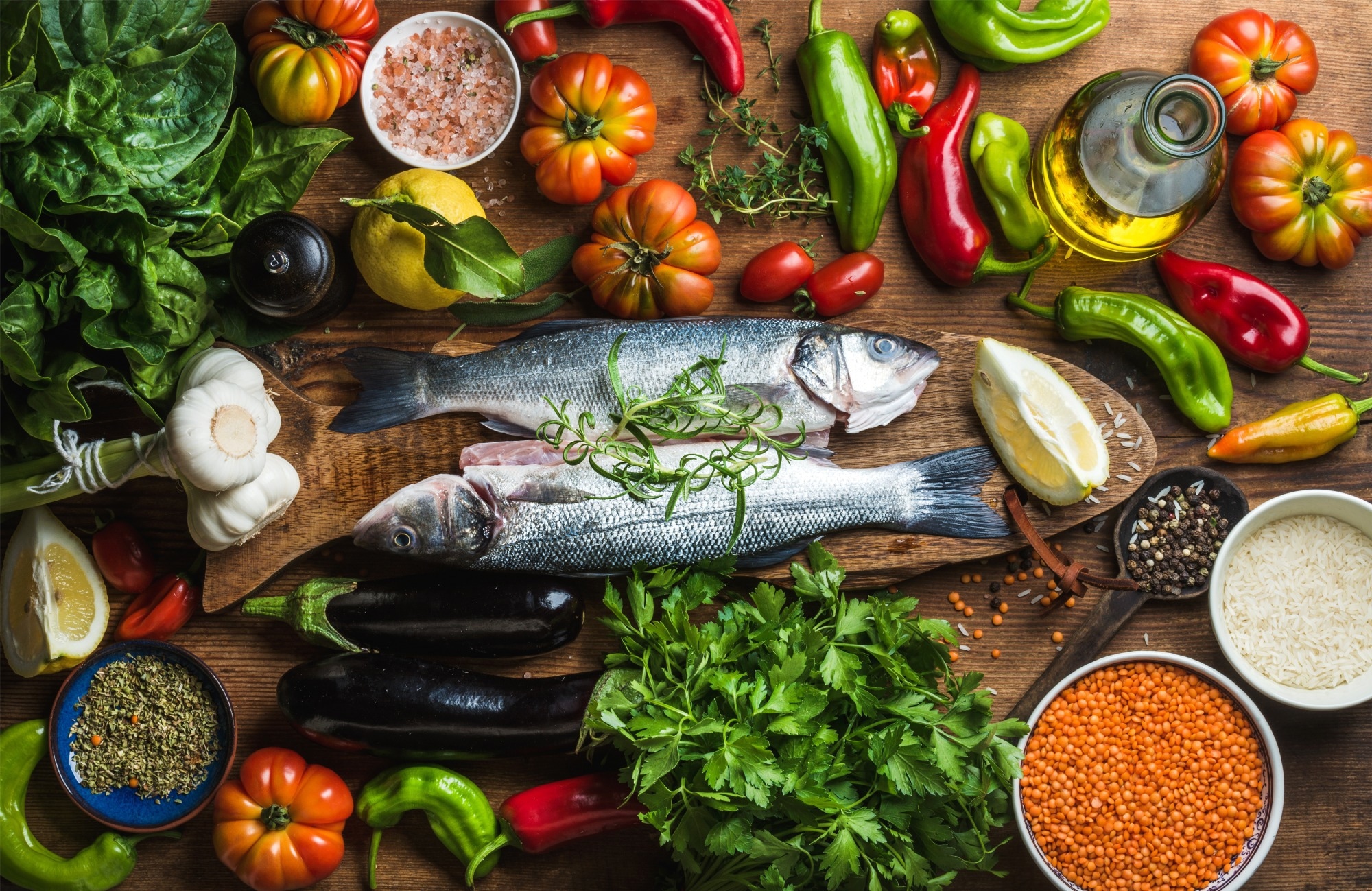
The Mediterranean diet stands as a renowned model of healthy eating, citing numerous health benefits. An abundance of fresh fruit and vegetables, whole grains, nuts, and seeds characterizes the diet. It also includes moderate fish and poultry consumption and low to average intake of dairy products.
A central part of a Mediterranean diet is olive oil, the consumption of which has been recognized for its health benefits for many years. The golden oil contains antioxidants and monounsaturated fats, particularly heart-healthy oleic acid and polyphenols, associated with reduced risk of chronic diseases.
Its use in cooking, dressings, and even drizzled-over finished dishes helps explain the low rates of heart disease and extended lifespans observed in Mediterranean regions.
Image Credit: Foxys Forest Manufacture/Shutterstock.com
The role of olive oil
Olive oil is considered a healthy fat due to its rich content of monounsaturated fats, primarily oleic acid, and antioxidants, notably vitamin E and phenolic compounds.
Monounsaturated fats help improve cholesterol profiles, lowering “bad” LDL cholesterol and supporting “good” HDL cholesterol. The antioxidants combat oxidative stress and inflammation, reducing the risk of chronic diseases like heart disease, cancer, diabetes, and neurodegenerative conditions.
Extra virgin olive oil, with the highest antioxidant and monounsaturated fat levels, is the healthiest option. This unique composition makes olive oil a valuable choice for a heart-healthy and overall health-conscious diet.
Nutrients in olive oil
Olive oil is rich in essential nutrients, notably vitamin E and polyphenols. Vitamin E is a potent antioxidant that protects cells from oxidative damage, reducing the risk of chronic diseases and supporting skin health.
Polyphenols, on the other hand, have various health benefits. They possess anti-inflammatory and antioxidant properties, helping to combat oxidative stress and inflammation.
These compounds are linked to improved heart health, better brain function, and a decreased risk of certain cancers. You can access these key nutrients by incorporating olive oil into your diet and potentially enjoy their protective effects against various health issues.
Fit Facts: Benefits of a Mediterranean Diet
Heart-healthy benefits
Numerous studies have indicated an inverse relationship between olive oil consumption and cardiovascular disease (CVD) risk. For instance, research in Spain and Italy has demonstrated that regular olive oil intake is linked to a decreased risk of coronary heart disease, cardiovascular mortality, and all-cause mortality.
In Italian populations, survivors of myocardial infarction and elderly individuals who consumed olive oil regularly exhibited a lower risk of mortality. While there is consistent evidence supporting the association between olive oil consumption and a reduced risk of stroke, findings related to coronary heart disease have been somewhat inconsistent.
It’s worth noting that the type of olive oil matters, with extra virgin olive oil (EVOO) having higher polyphenol levels, potentially offering additional cardiovascular benefits beyond its impact on lipid profiles.
Some studies have also suggested a potential role for olive oil in cancer prevention, notably regarding breast cancer, although the evidence remains less conclusive.
Fighting inflammation
The anti-inflammatory properties of olive oil, particularly its phenolic compound oleocanthal, have piqued scientific interest and offer the potential to prevent chronic diseases.
Oleocanthal, found in virgin olive oil, mimics the anti-inflammatory actions of Ibuprofen. Recent studies have indicated that it could play a role in mitigating diseases such as joint degeneration, neurodegenerative disorders, and specific types of cancer.
Exploring the potential link between olive oil, with its inflammation-fighting component oleocanthal, and its ability to prevent chronic diseases is a promising avenue of research.
Using olive oil in cooking
Cooking with olive oil offers a delectable way to infuse your daily meals with Mediterranean flair while promoting good health.
Olive oil can be incorporated into salad dressings, roasting, grilling, baking, sauteing, and stir-frying. For example, vegetables or potatoes can be coated in olive oil and roasted in the oven, creating a crispy, golden-brown result.
Adding salad to any meal makes it healthier, but elevating it with an olive oil-based dressing gives it a Mediterranean flair—for example, extra-virgin olive oil, balsamic vinegar, lemon juice, herbs, and spices.
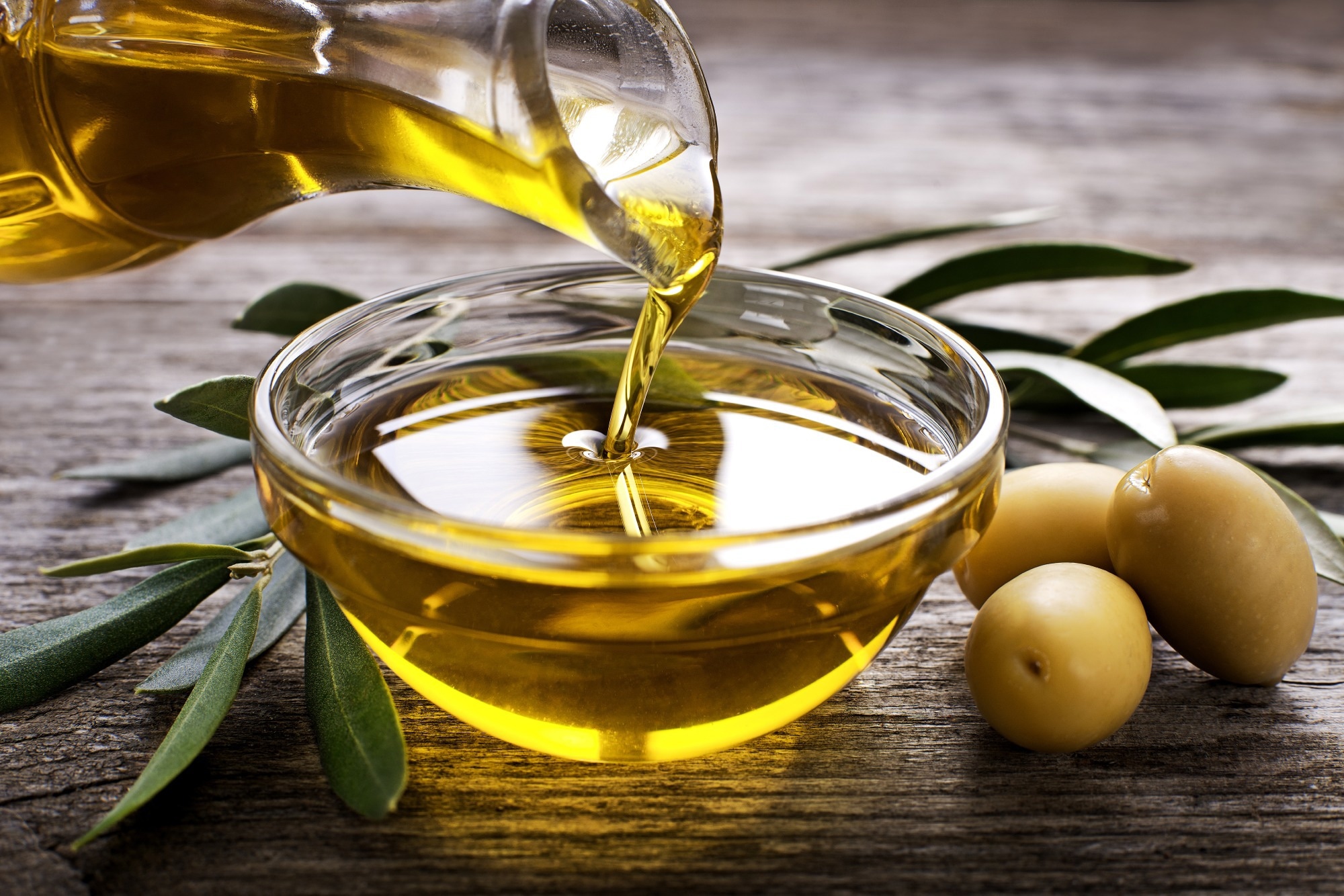 Image Credit: DUSAN ZIDAR/Shutterstock.com
Embracing the Mediterranean diet
The Mediterranean Diet isn’t just about food; it’s a way of life known for its health benefits. It’s centered on eating plenty of fruits, vegetables, and whole grains, which provide essential nutrients and long-lasting energy.
Whole grains like barley and farro are favored for their fiber content, which keeps you full and steadies your blood sugar. Olive oil, especially extra-virgin, is a key component of this diet. It’s packed with monounsaturated fats and antioxidants that offer health advantages. For cooking, drizzling, or marinating, olive oil adds a unique, slightly peppery taste to your dishes and helps your body absorb fat-soluble nutrients.
This diet is a lifestyle choice that emphasizes enjoying food and looking after your health, all through the simple act of eating fruits, veggies, whole grains, and olive oil.
Resources
- Buckland, G. and Gonzalez, C.A., 2015. The role of olive oil in disease prevention: a focus on the recent epidemiological evidence from cohort studies and dietary intervention trials. British Journal of Nutrition, 113(S2), pp.S94-S101.
- Guasch-Ferré, M., Hu, F.B., Martínez-González, M.A., Fitó, M., Bulló, M., Estruch, R., Ros, E., Corella, D., Recondo, J., Gómez-Gracia, E. and Fiol, M., 2014. Olive oil intake and risk of cardiovascular disease and mortality in the PREDIMED Study. BMC medicine, 12, pp.1-11.
- Parkinson, L. and Keast, R., 2014. Oleocanthal, a phenolic derived from virgin olive oil: A review of the beneficial effects on inflammatory disease. International journal of molecular sciences, 15(7), pp.12323-12334.


