
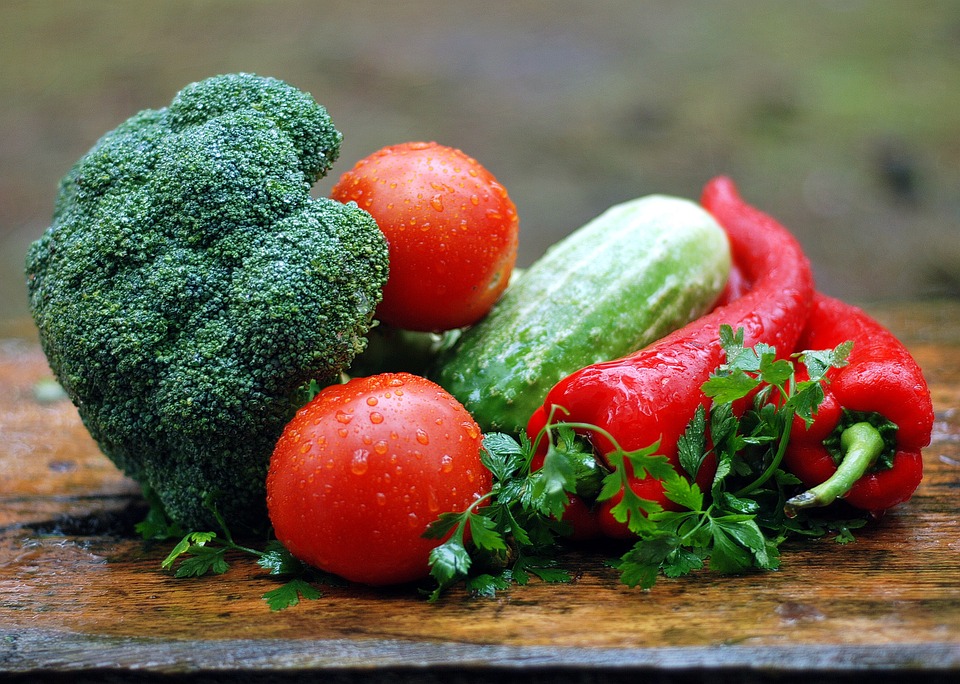
The Rise of Veganism: Exploring the Growing Trend in Plant-Based Lifestyles
In recent years, there has been a significant rise in the popularity of veganism, with more and more people embracing plant-based lifestyles. This growing trend is not just a passing fad, but a reflection of a shift in societal values and a greater awareness of the impact our choices have on the environment, animal welfare, and personal health.
Understanding Veganism
Veganism is a lifestyle choice that excludes the consumption of any animal products, including meat, dairy, eggs, and honey. It goes beyond just dietary choices and extends to all aspects of life, including clothing, personal care products, and even entertainment choices. Vegans are motivated by various factors, such as ethical concerns for animal welfare, environmental sustainability, and personal health benefits.
While vegetarianism has been around for centuries, veganism has gained popularity in recent years. This can be attributed to several factors, including increased access to information, the rise of social media influencers promoting vegan lifestyles, and the growing availability of plant-based alternatives in the market.
The Environmental Impact
One of the key reasons for the rise of veganism is the growing concern over the environmental impact of animal agriculture. According to the United Nations, the livestock sector is responsible for a significant portion of greenhouse gas emissions, deforestation, and water pollution.
By choosing a plant-based lifestyle, individuals can reduce their carbon footprint and contribute to the preservation of natural resources. The production of plant-based foods requires fewer resources, such as water and land, and generates fewer greenhouse gas emissions compared to animal agriculture. This shift towards veganism is seen as a sustainable solution to combat climate change and promote environmental conservation.
Animal Welfare and Ethical Considerations
Another driving force behind the rise of veganism is the growing awareness and concern for animal welfare. Many individuals are now more informed about the conditions in which animals are raised and slaughtered for food production. The ethical implications of factory farming and the mistreatment of animals have prompted many to adopt a vegan lifestyle as a means of reducing animal suffering.
By abstaining from the consumption of animal products, vegans aim to promote a compassionate lifestyle that respects the rights and well-being of all living beings. They advocate for the fair treatment of animals and support cruelty-free alternatives.
Health Benefits of a Plant-Based Diet
Aside from environmental and ethical reasons, the health benefits associated with a plant-based diet have also contributed to the rise of veganism. Numerous studies have shown that a well-planned vegan diet can provide all the necessary nutrients while reducing the risk of chronic diseases.
A plant-based diet is typically rich in fruits, vegetables, whole grains, nuts, and seeds, which are abundant in essential vitamins, minerals, and antioxidants. It is also naturally low in saturated fat and cholesterol, which can help prevent heart disease and improve overall cardiovascular health.
Furthermore, a vegan diet has been linked to lower rates of obesity, type 2 diabetes, and certain types of cancer. It can also promote healthy weight management and improve digestion due to the high fiber content of plant-based foods.
Frequently Asked Questions (FAQs)
1. Is it difficult to get enough protein on a vegan diet?
No, it is not difficult to get enough protein on a vegan diet. While animal products are often considered the primary source of protein, there are plenty of plant-based protein sources available. Legumes, tofu, tempeh, seitan, quinoa, and nuts are all excellent sources of protein for vegans.
2. Can a vegan diet provide all the necessary nutrients?
Yes, a well-planned vegan diet can provide all the necessary nutrients. However, it is important to ensure an adequate intake of key nutrients such as vitamin B12, iron, calcium, and omega-3 fatty acids, which are commonly found in animal products. Vegans may need to consider fortified foods or supplements to meet their nutritional needs.
3. Are vegan diets suitable for children and pregnant women?
Yes, vegan diets can be suitable for children and pregnant women when adequately planned to ensure proper nutrient intake. It is essential to consult with a healthcare professional or registered dietitian to ensure all nutritional needs are met, especially during periods of rapid growth or pregnancy.
4. Are there any potential drawbacks to a vegan lifestyle?
While a vegan lifestyle can offer numerous benefits, there are potential drawbacks to consider. It may require more planning and effort to meet all nutritional needs, especially for essential nutrients like vitamin B12. Additionally, social situations and dining out may present challenges, as vegan options may be limited in some areas.
5. How can I transition to a vegan lifestyle?
Transitioning to a vegan lifestyle can be done gradually. Start by incorporating more plant-based meals into your diet and gradually reduce the consumption of animal products. Educate yourself about plant-based nutrition and experiment with new recipes and ingredients. It can also be helpful to connect with the vegan community for support and guidance.
The rise of veganism reflects a growing trend towards more compassionate, sustainable, and health-conscious choices. By embracing a plant-based lifestyle, individuals contribute to a better future for the planet, animals, and their own well-being.
For more information on the rise of veganism and the growing trend in plant-based lifestyles, check out this informative article.


