
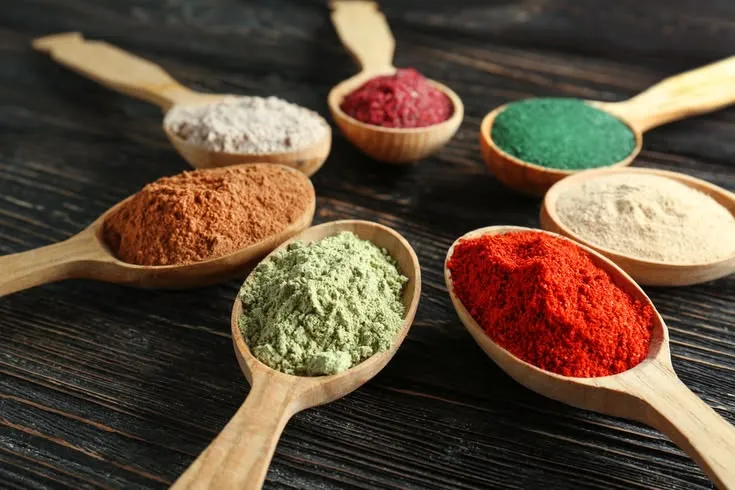
A number of decisions are involved in selecting an appropriate food color, particularly when manufacturers are preparing the food for commercial manufacture. The correct ingredient needs to be the right shade, type of food, formulation, process, and preferred format of the ingredient. When working with Natural Food Color Suppliers, product developers can get access to various sources of color and useful information about how to apply the color. In the meantime, knowledge of the nature of powdered food color could aid manufacturers in deciding whether a powdered solution is suitable for their own manufacturing.
Define the Desired Color
The first task when deciding what ingredients to use is to determine the look of the finished product. Manufacturers may want to take into account the color value, color strength, product type, and visual impression into account.
If a fruit beverage, a bright yellow may be appropriate; if a bakery or dairy application, then a softer golden shade may be appropriate. Red, orange, purple and blue products may have all different requirements. The appearance criterion aids the development team in expressing their requirements clearly when looking at ingredients available and when creating formulation samples.
Explore Different Natural Sources
Natural color ingredients come from a variety of plant, fruit, vegetable, spice and botanical sources. Manufacturers have several options for the color of one product, because the color is determined by different sources.
Turmeric can be used to impart yellow hues, annatto can impart yellow to orange hues, and beetroot can impart red hues. For other color options, black carrot and other botanicals can be used.
When evaluating these sources within the intended product, the developer will be able to determine which ingredient will complement the product and the desired appearance.
Understand Powdered Color Options
For manufacturers looking to make use of food color powder, they can test to see if the dry ingredient is suitable for the production process they currently have. Powdered formulations can be a convenient option for formulations that contain dry ingredients or powdered mixes.
But during product development, consideration should be given to the handling and dispersion. Measurement is critical, and distribution throughout the formulation must be done according to the product requirements.
The small-scale testing can provide the manufacturer with information about the ease with which the powder incorporates and whether or not the concentration chosen results in the desired visual effect.
Test Ingredients Within the Formula
A color sample might give a good first impression, but testing it in the actual food formulation will be much more useful.
A few samples can be made by the manufacturer in the procedure that s/he wants to use, and different levels of application can be compared. This enables development teams to check on the intensity of the color, the range of the color, and the overall look of the end product. Testing can also be used to see how the color interacts with other ingredients. This can aid teams in making an informed choice of application method that will be effective in their formulation.
Consider Processing Conditions
Depending on the food type, the manufacturing conditions could be different for food products. The finished product may be affected by the mixing, heating, baking, cooling, freezing, drying or filling processes.
During formulation trials, important production stages can be reproduced to gain knowledge of the selected color’s behavior during production. The location of the color can be assessed as well. Defining an appropriate addition stage and mixing process can aid in achieving a more even distribution and facilitate a repeatable production process.
Review Supplier Information
Manufacturers have technical information, product specifications, application guidance and ingredient formats available for comparison when evaluating color ingredients.
This information may be useful for product development and procurement teams to determine if an ingredient will meet their needs. Another useful step can be samples, as this can give manufacturers the opportunity to test the actual product to place larger orders. It can also make it easier to have a conversation with suppliers if they understand what the food is going to be used for.
Consider Commercial Supply Needs
The choice of ingredients needs to be based on future production. If a color works well in the initial trials, then a good one should also be readily available for the product to be manufactured.
Manufacturers can think about the quantity of products they are likely to sell, how they are likely to be packaged, when they are likely to order the product, and what they are likely to want in the future. Careful planning of these will help to smooth out the transition from development to commercial production. For businesses creating several products, it can be well worth considering if there are any colors that will be appropriate for various uses via the same source.
Create a Repeatable Process
After identifying the desired color, manufacturers can record the concentration, addition, mixing process, and processing conditions, as well as the desired appearance.
This information can be included as part of the production specification and can help as a reference for future production runs. As production volume increases, it may be beneficial for different teams to have a documented approach to maintain consistency as well.
Conclusion
The choice of an appropriate food color involves a visual plan, formulation testing, technical assessment and sourcing. Manufacturers can design a more effective selection process by comparing natural ingredients, measuring powdered ingredients in the ‘real’ product, checking on supplier information, and planning for commercial needs. When you’re looking for an alternative to dyes for your new food product, take a look at foodrgb.comto find some options that will work and keep developing your product with a practical color strategy.